 Wastewater
 Imb systems
 Rainwater
 Pumpstations
 Containers
 Manholes
 Oil separators
 Waste water treatment
 Pumps
Pumps Control boxes
Maintenance
Maintenance of a private house’s biological treatment plant (Graf Klaro, One2clean, OneAdvanced, One2CleanXtra)
Biological wastewater treatment plants (e.g., Graf Klaro, Graf One2clean) are effective and environmentally friendly solutions that require regular maintenance to ensure long-term and proper operation.
Maintenance activities are divided into three categories:
-
- Regular checks by the user
- Periodic technical maintenance (usually by a specialist)
- Removal of sediment (emptying)
1. Regular checks by the user (recommended 1-4 times a month)
Homeowners can perform simple visual checks themselves to detect problems early on. To do this:
- Make sure that the area around the purifier is clean and tidy.
- Check that the purifier hatches are intact and closed properly.
- Make sure that there is no strong unpleasant odor (a slight specific odor is normal).
- Check that the outgoing water is clear and odorless.
Also check the operation of the devices:
- Aeration – listen to the compressor (air blower) working. The water in the tank should “bubble” according to the schedule, which indicates that the aeration is working.
- Alarm signals – check the control unit. If an alarm (e.g., red light, sound) occurs, contact a service technician.
- Flow – make sure that water flows in and out without obstruction, without clogging or overflowing.
2. Periodic technical maintenance (1-2 times a year)
Technical maintenance is critical for system reliability and is performed by trained technicians. Manufacturers (e.g., Klaro, One2clean) require regular maintenance by an authorized partner for the warranty to remain valid. Maintenance includes:
1. Component inspection
-
- Compressor/air blower: clean/replace the air filter, check the overall condition and working pressure
- Control system: check settings, timers, and alarm systems
- Pumps (if any): check operation and clean the pump well if necessary.
2. Internal control:
-
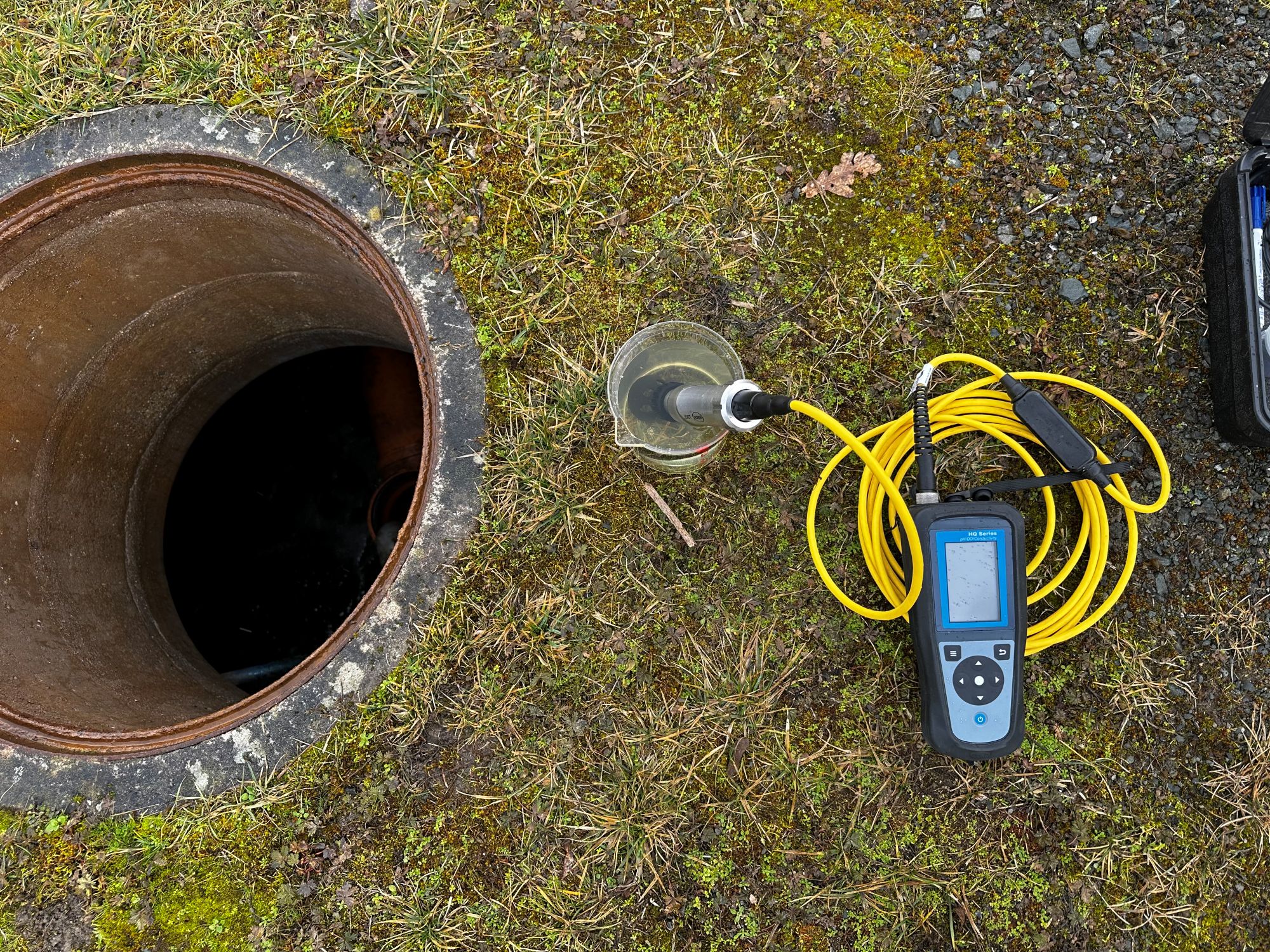
- sludge level measurement: the technician measures the sludge level in the chambers to assess the need for emptying
- aerator check: the condition of the aeration elements (aerators) is checked.
- Water samples (if necessary): a sample of the outgoing water is taken for laboratory testing of cleaning efficiency.
- Filling in the maintenance log: the technician records the work performed and observations in the maintenance log.
3. Removing sludge (emptying)
-
- This is the most important, but least frequent maintenance task. The frequency depends on the size and load of the cleaner, usually once every 1-3 years. The exact need is determined by a technician when measuring the sediment level. Sediment may only be removed by a licensed sewage truck (tank truck).
IMPORTANT:
As a rule, the bioreactor MUST NOT be completely emptied (except in special cases). Only excess sludge from specific chambers is removed. Active sludge must remain in the system for the biological process to continue.
After emptying, the tank must be immediately filled halfway with clean water to prevent damage caused by soil pressure.